The middle market accounting and advisory sectors are undergoing a quiet but consequential restructuring. Over the past several years, private equity has moved aggressively into regional and mid-sized firms, acquiring firms that once operated through partner-driven models and long-term client relationships. The shift has altered not only ownership structures but the way advisory work is delivered.
For many clients, particularly those involved in litigation or disputes, the change has been subtle but material. Costs have increased. Engagement teams have grown larger. Decision making has moved further from the professionals performing the analysis. In matters where financial conclusions may be challenged in court, that distance can matter.
At the same time, internal pressures within firms have intensified. Utilization targets and billing expectations have risen, while continuity has declined. As senior partners exit and ownership consolidates, many experienced professionals have begun re-evaluating whether institutional scale still serves the needs of their clients.
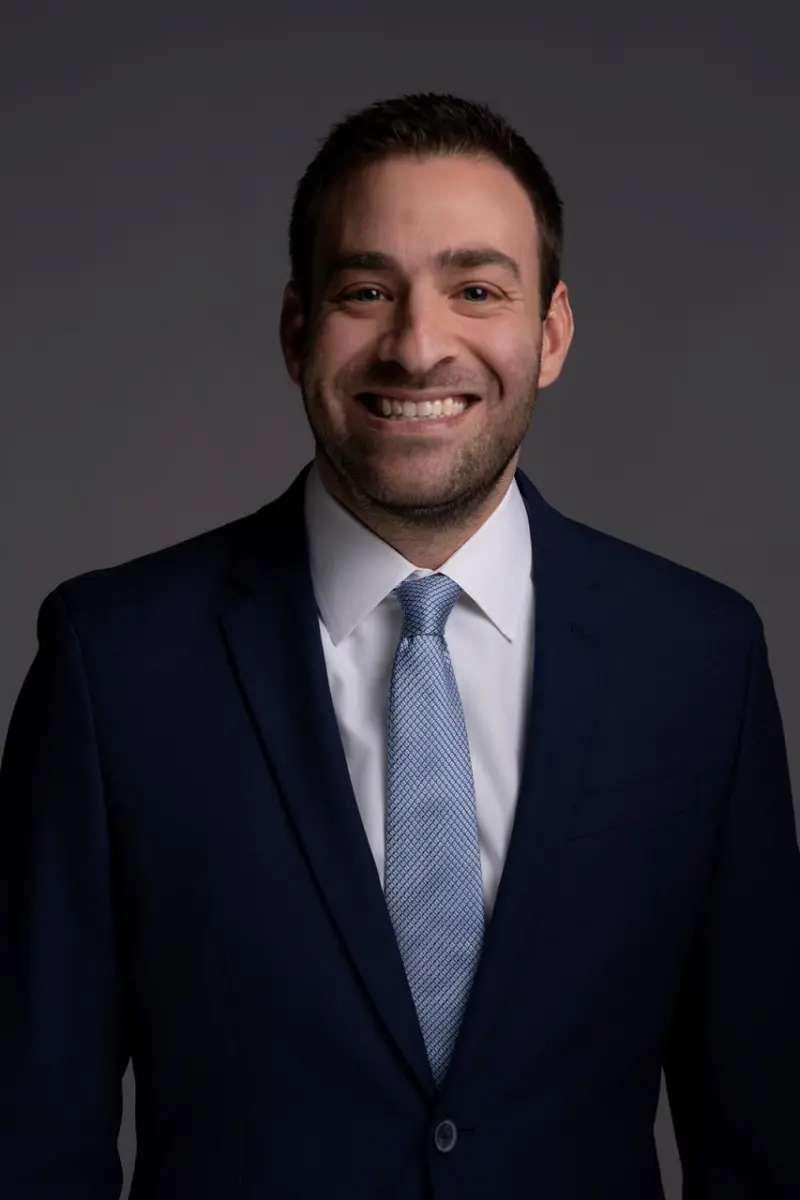
One response to this shift is the emergence of independent forensic accounting practices built around direct expertise rather than layered infrastructure. Semaya Forensics and Valuation LLC, founded by Scott Semaya, reflects this approach.
“I saw an opportunity where becoming an independent forensic accounting firm would create more value for my clients compared to if I had continued in the larger accounting and advisory firm environment. I felt I could provide the same level of high-quality service, but at a cheaper cost,” Semaya elaborates.
Based in central New Jersey, Semaya Forensics and Valuation LLC provides forensic accounting, litigation support, and business valuation services to attorneys, fiduciaries, and business owners involved in complex financial matters. The practice focuses on three primary areas: complex commercial litigation, divorce and family law, and business valuation.
In commercial litigation matters, Semaya’s work often centers on shareholder disputes, economic damages, and breach of contract claims. These engagements typically require detailed financial reconstruction, analysis of lost profits or business interruption, and the preparation of expert opinions designed to withstand adversarial scrutiny. His role frequently involves supporting counsel through deposition, trial preparation, and rebuttal analysis.
Divorce and family law matters present a different but equally technical set of challenges. In these cases, Semaya provides forensic accounting and valuation services related to closely held businesses and financial interests. The work often includes assessing business value, evaluating income and cash flow, and analyzing financial records in support of equitable distribution and support determinations.
Business valuation work spans both litigation and non-litigation contexts. Semaya performs independent valuations for purposes including disputes, planning, and transactional considerations. In each case, the emphasis is on producing independent, defensible analyses that are clearly documented and capable of withstanding review by opposing experts.
What distinguishes this independent model is not a narrowing of scope but a refinement of focus. By operating without institutional overhead or rigid utilization frameworks, the work remains closely tied to the professional responsible for the analysis. For attorneys and clients, that structure offers continuity, clarity, and accountability in matters where financial conclusions carry legal consequence.
As consolidation continues across the advisory sector, independent forensic accounting practices are increasingly positioned as complements rather than alternatives to large firms. In high stakes disputes, where accuracy, integrity, and judgment matter more than scale, the demand for focused expertise appears unlikely to diminish.
Disclaimer: This article is for informational purposes only and does not constitute legal, accounting, or financial advice. Readers should consult qualified professionals regarding their specific circumstances. The views expressed are those of the individual profiled and do not necessarily reflect the views of the publication.